

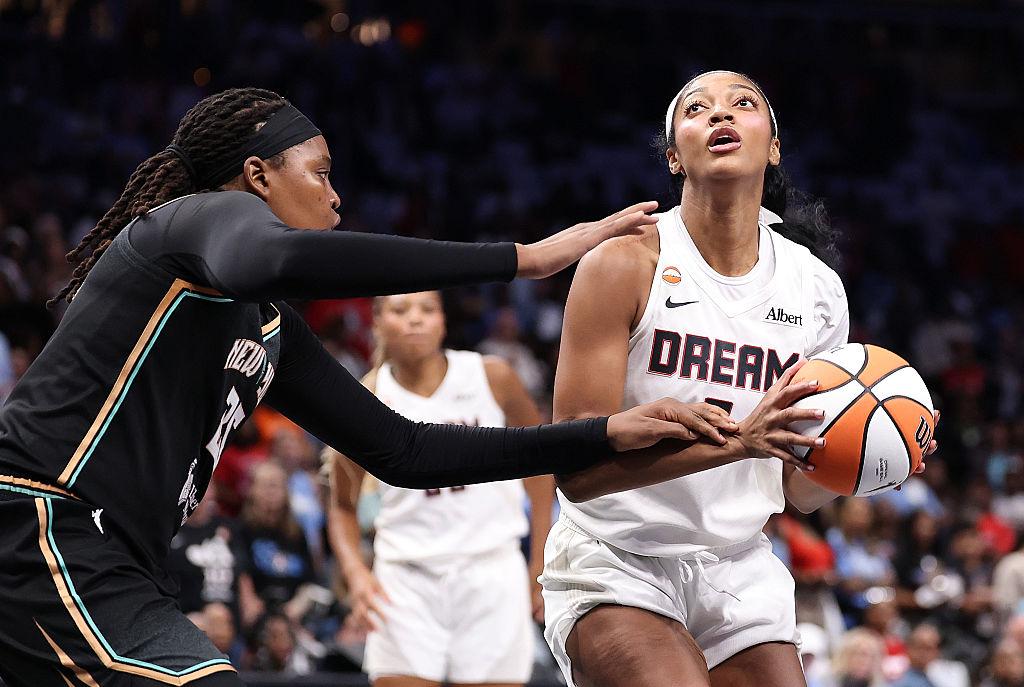
Angel Reese has spent years facing criticism over her shooting, confidence and rivalry with Caitlin Clark. Now, she’s heading to the WNBA Finals with the Atlanta Dream, forcing a fresh look at the player many were quick to dismiss.
Atlanta defeated the New York Liberty 85–83 on October 9, completing a three-game sweep. Reese led the Dream with 22 points and nine rebounds. Rhyne Howard added 21 points, while Jordin Canada contributed 19 points and 11 assists. Atlanta will face the Golden State Valkyries on October 17, making its first Finals appearance since 2013.
The Controversy Surrounding Angel Reese
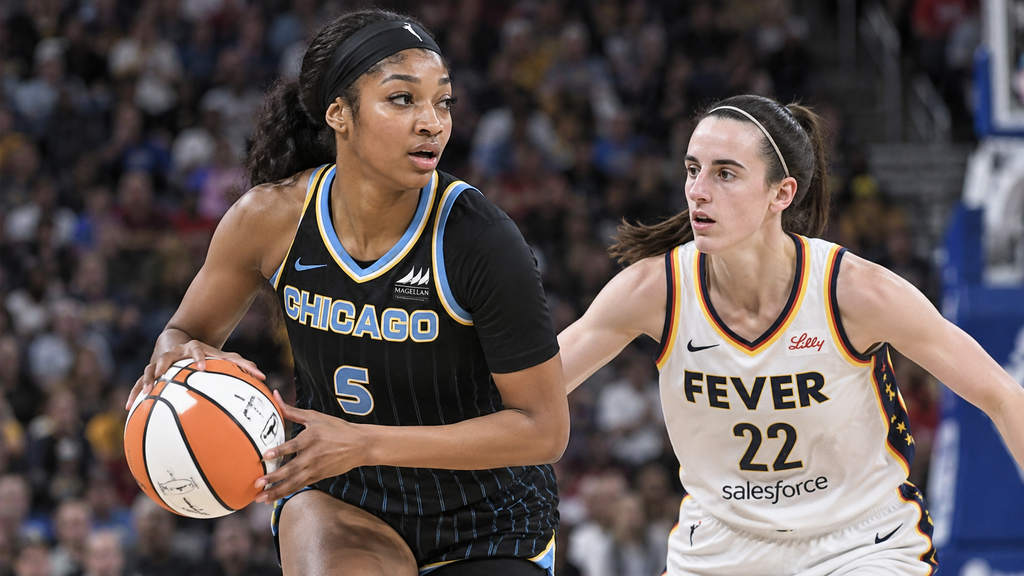
The backlash intensified during the 2023 NCAA championship. Reese made the famous “you can’t see me” gesture toward Clark during LSU’s victory over Iowa. Critics called her disrespectful, despite Clark using a similar gesture earlier in the tournament.
The controversy quickly exposed a larger debate about race and double standards. Some celebrated Clark’s competitive fire while condemning Reese for showing similar confidence. Reese challenged that treatment publicly, arguing that people judged her differently because of who she was.
Even Clark defended Reese, saying she shouldn’t face criticism for competing. Yet the incident helped fuel years of comparisons, personal attacks and arguments about Reese’s abilities. The personal ridicule surrounding them raised a bigger question: Was Angel Reese being evaluated fairly as a developing basketball player, or had the controversy become more important than her actual performance?
The Numbers Are Changing the Conversation
Reese’s 2026 season has made that question harder to ignore. She earned the WNBA Defensive Player of the Year award, becoming the first Atlanta Dream player to receive the honor. She also set a league record with 521 rebounds, recorded 32 double-doubles and averaged a career-high 16.4 points per game.
Her improvement has carried into the playoffs. In Atlanta’s Game 2 victory over New York, Reese scored 23 points and made all six of her free throws, delivering in areas where critics have questioned her consistency. Her performance has been an important part of a collective effort alongside Howard, Canada, Allisha Gray and DeWanna Bonner.
Reese is now four victories away from her first professional championship. Winning a title would not erase every legitimate criticism of her game, but reaching the Finals already demonstrates how far she has developed. The question is no longer whether Angel Reese belongs in the WNBA. It’s whether some of her critics are willing to acknowledge the player she’s become. When a Black female athlete becomes more famous for the controversy surrounding her than the work she’s doing, are people still judging the athlete fairly?
Sources: AP News — Reese Controversy · Washington Post — Reese vs. Clark · WNBA — Game Results · NBA — Defensive Player of the Year